How does one start a newsletter?
Originally published in my newsletter on sustainable pace. Subscribe for free.
Straight to the point? That seems a little rude. I don't know you and you don't know me. And why should you care what I have to say anyway. But then again, spending a lot of time talking about myself, my history, what I’ve done... Well, that seems far too self-indulgent.
So let's try this.
In February 2026 I submitted the manuscript of my new book: Kestävä työtahti. It means sustainable pace in Finnish. It’s also the theme of this newsletter (sustainable pace in the context of knowledge work, to be precise), and a topic that I have been exploring for the last 20 years.
This is my third book. I did not want to burn myself out while doing it, as I did with the previous one. If I'm writing about sustainable pace, then maybe it's a good idea to also do it at a sustainable pace.
For a while it worked. I started thinking about the book in 2020, conceptualising it and letting it simmer. In 2022 I knew how to structure it, but it took two more years before I finally felt that the time was right to start writing. If there’s one thing I’ve learned, it’s to focus on only a couple of big projects at a time, and to actually try to finish one before starting on something new. The first words were put on paper (meaning a Notion page) in November 2024.
I built a routine for writing for an hour in the mornings, 3-4 days a week, before doing other work. Things progressed nicely until the following autumn. I was still sticking to the routine, but as the topics got trickier to write and required more research, I found myself prolonging those one-hour writing sessions whenever possible. Getting a chapter done felt like a slog. There were times when I was only able to write a couple of finished paragraphs in one sitting.
Alex Pang writes in his book Rest that there's an upper limit of 3-4 hours of cognitively demanding work that can be sustainably done in a day. During one quiet December week in 2025, I wrote for 2 hours in the morning, and 2 more hours in the afternoon, 4 days in a row. That wrecked me. Turns out, 4 hours of writing on top of a day job and daily life demands was pushing it too far. But I had a deadline to meet, and by this point it was constantly on my mind.
It didn’t help that we had about 3 weeks in a row with barely any sunshine. Days are short and Novembers in southern Finland are often overcast. I badly needed a break. So I headed to Nice on the French Riviera for a long weekend, writing the book until lunchtime, and spending the rest of my days just walking and taking photographs. I almost cried when I saw the sun as I stepped out of the plane.
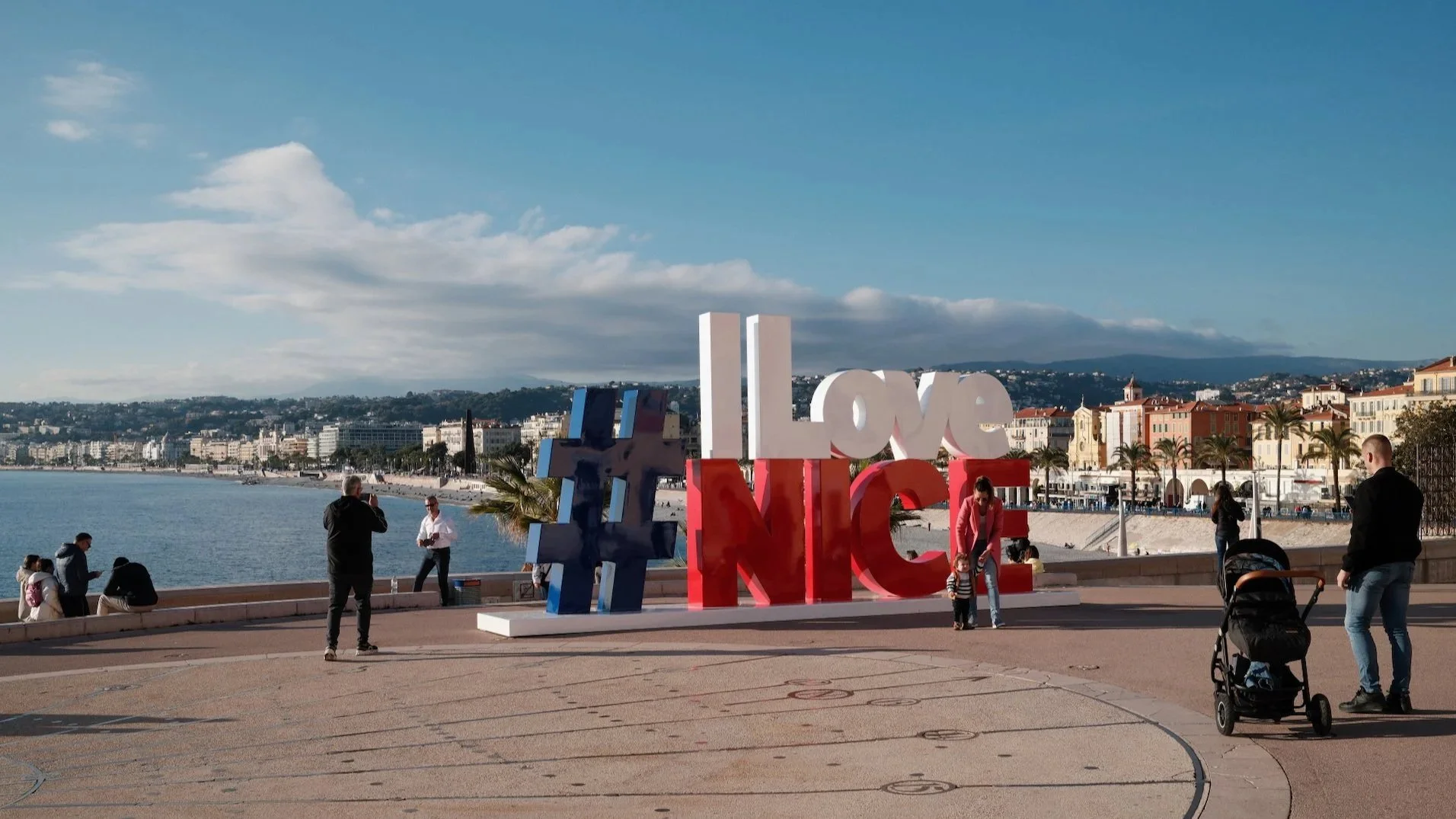
Sunshine therapy helped but it proved to be temporary relief. I became depressed after returning home. Looking back, it’s easier to see how much writing the book took out of me. I felt emptied and hollow. Like I had given everything I had, and was running on fumes to get the manuscript finished.
With depression and exhaustion also comes the self-doubt: What if the book gets largely ignored? What if I have missed something essential, or taken too many shortcuts? After all, I am claiming to present a science-based theory of effectiveness for modern knowledge work. Yet I am not a researcher by trade.
A couple of months have now passed since submitting the manuscript. I have still been working a lot, making fixes and polishing the text with the help of a book editor. Fortunately this type of work is not as exhausting as writing the first draft was. My energy levels and overall mood have also improved.
I can’t say I managed to get the book done at a sustainable pace, like I intended, but at least I did not burn out the way I did in 2019, when my previous book came out. Although in fairness, there were also other contributing factors. Recovering from that experience took almost two years, whereas now it feels like it took only a month or two.
When setting out to write a book, it’s difficult to estimate how much time and effort it will take. There are simply too many unknowns. You only realise the depth of a topic, and the extent of your own ignorance, as you start writing about it. This lesson is covered in the book as I discuss how to make plans while also embracing uncertainty, which is one of the six principles of sustainable and effective knowledge work. These principles form the core of the theory presented in the book.
Another thing I learned is that I truly do enjoy writing. As long as it happens on my own terms, at a pace that I set for myself. Now that the book is done, I intend to keep on writing. This is why I decided to start the newsletter. Writing is thinking, and having a place where I can continue to write about sustainable ways of working helps clarify my thoughts.
Or at least that’s the idea, and only time will tell what comes of this. But if the topic interests you, then I hope you'll stay.
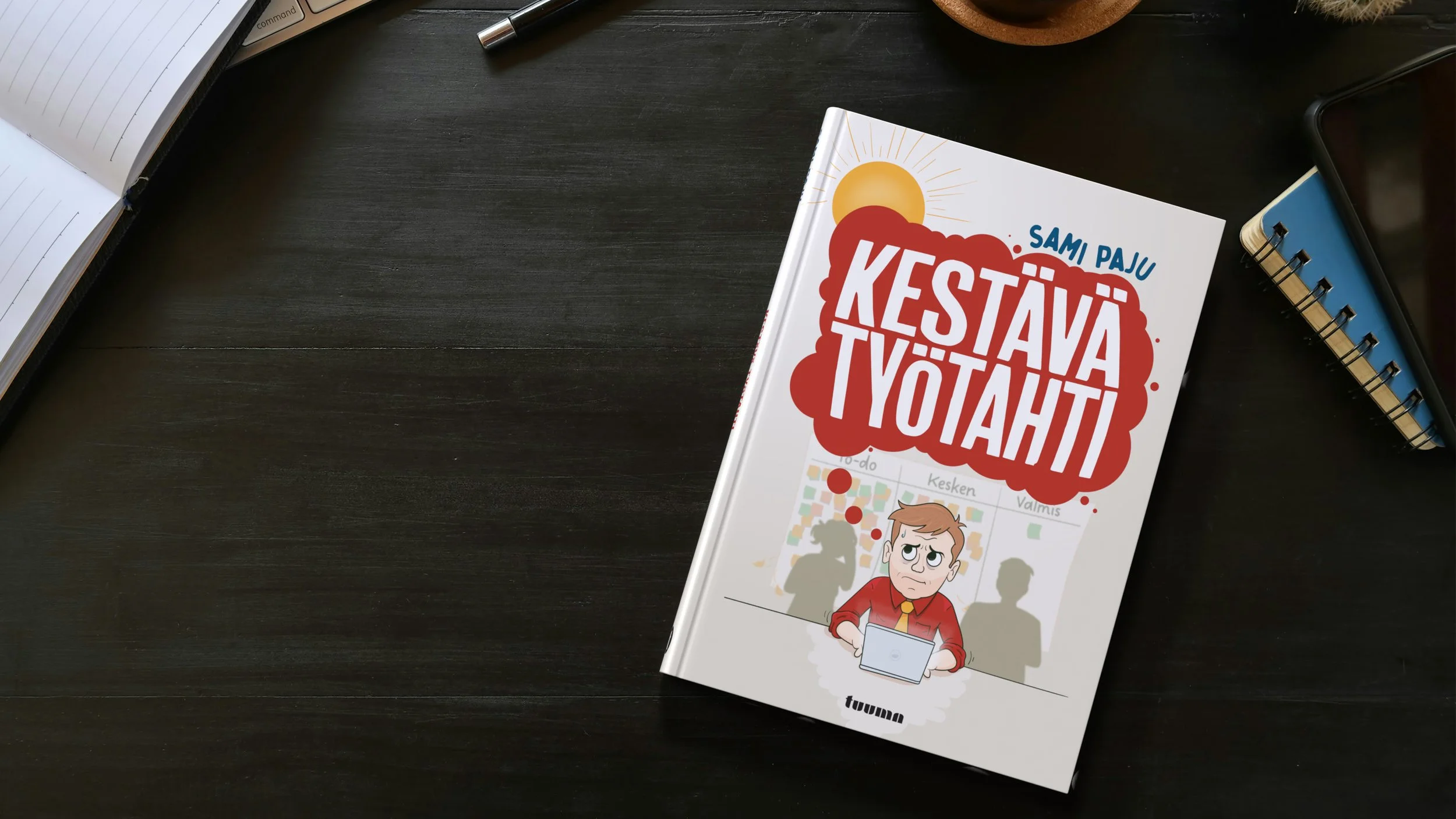
Kestävä työtahti is coming out on August 27th. You can pre-order it here with a discount.
—Written in Espoo, Finland, between February and April 2026.